This statement sets out the philosophical and editorial commitments of Minerva Korea. The notes identify intellectual interlocutors; the principles developed here are original formulations, neither simple summaries nor claims guaranteed by another author’s authority. They are distinct from a report of operational achievements or confirmed business plans.
01 / PUBLISHING AND PUBLIC LIFE
When a book enters a shared world
Publication does more than turn private thought into an accessible object. It gives a claim a form in which it can face questions and objections independently of its author’s intentions. The public character of publishing therefore concerns the grounds on which a statement can be examined and the language in which it can be challenged. Readers deserve recognition as participants in judgment, beyond their role as recipients of a predetermined conclusion.
Editing consequently reaches beyond the polishing of sentences. It makes visible the differences between fact and interpretation, quotation and application, testimony and general judgment. A forceful conviction requires an equally clear account of its assumptions and possible counterexamples. Notes belong near the argument because a source opens a route through which readers can begin an examination of their own.
Habermas’s account of the public sphere encourages us to place publication and discussion within social relations. Invoking that tradition does not itself establish public accessibility. Unequal access to education, time and language must also enter editorial judgment. The rigour sought by Minerva Korea means making the course of an argument available without simplifying away the difficulty of its subject. [1]
02 / UNDERSTANDING AND CRITIQUE
Reading a tradition, questioning a tradition
Books are written in language already used by others. Grace, subject and memory carry histories of reading and dispute. We cannot survey that inheritance from a wholly external position. Yet belonging to a tradition does not require accepting every judgment it has made. Understanding asks which present experiences an inherited language reveals and which it conceals.
Gadamer’s philosophical hermeneutics directs attention to the historical and linguistic conditions of understanding. For publishing, the task is to make those conditions legible: how a concept developed, why a translation was chosen and which position an author disputes. A classic becomes contemporary when we can examine both the reach of its explanation and the point at which it encounters a limit.
Understanding and critique must therefore work together. A familiar communal language may have denied some people the opportunity to articulate their experience. Editorial responsibility considers the coherence of an account while asking what that coherence has excluded. Neither the tradition nor the present reader becomes an infallible judge. Judgment remains open to revision through texts, evidence and the questions of other readers. [2]
03 / PHILOSOPHY · THEOLOGY · LITERATURE
A conversation in distinguishable voices
Philosophy examines concepts and inferences; theology explores speech about God and human response; literature discloses how a life exceeds a single explanation. Their meeting does not erase their different questions or standards of examination. Confession cannot substitute for empirical evidence, and narrative persuasiveness does not establish historical fact. An account of these boundaries makes a deeper conversation possible.
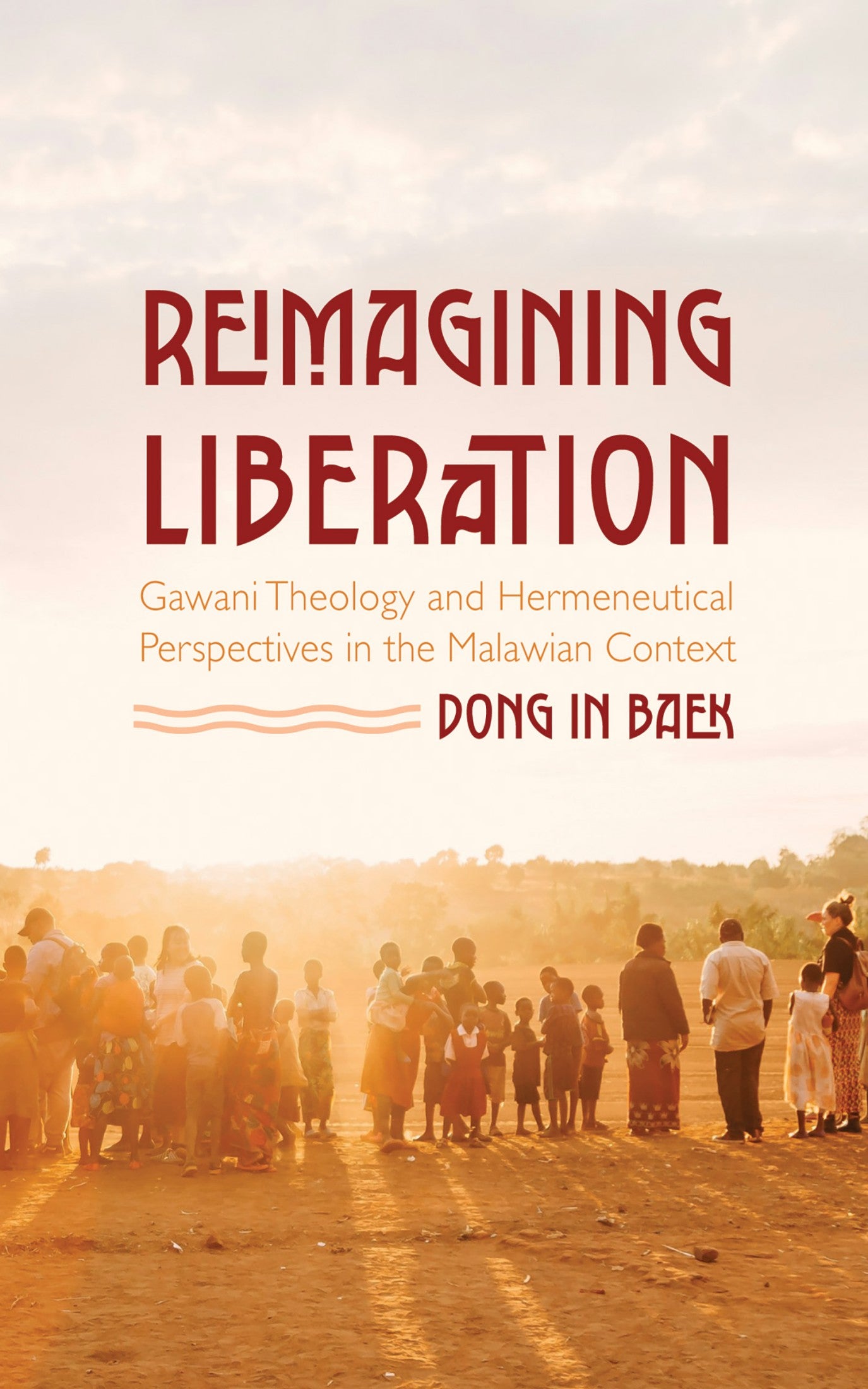
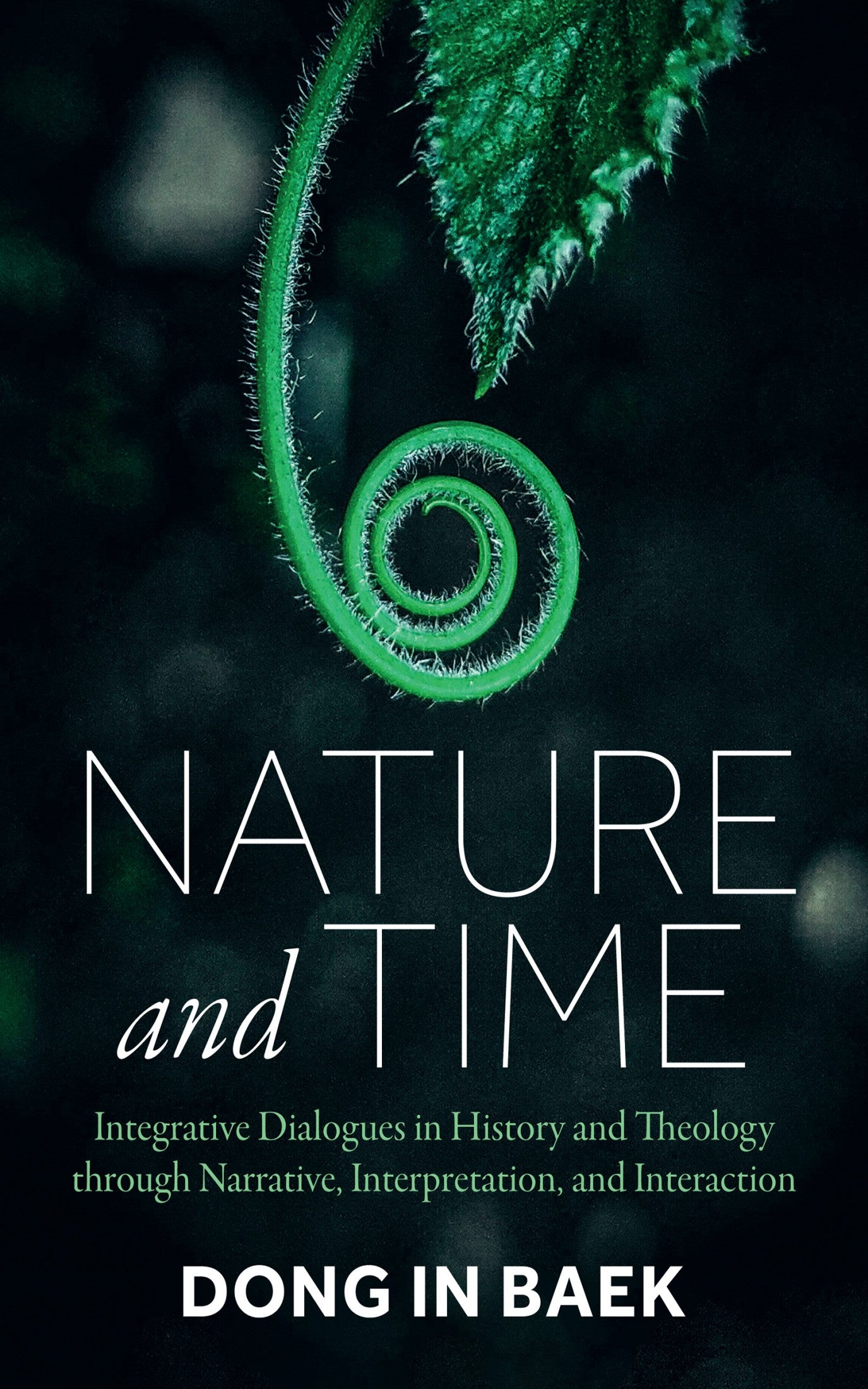
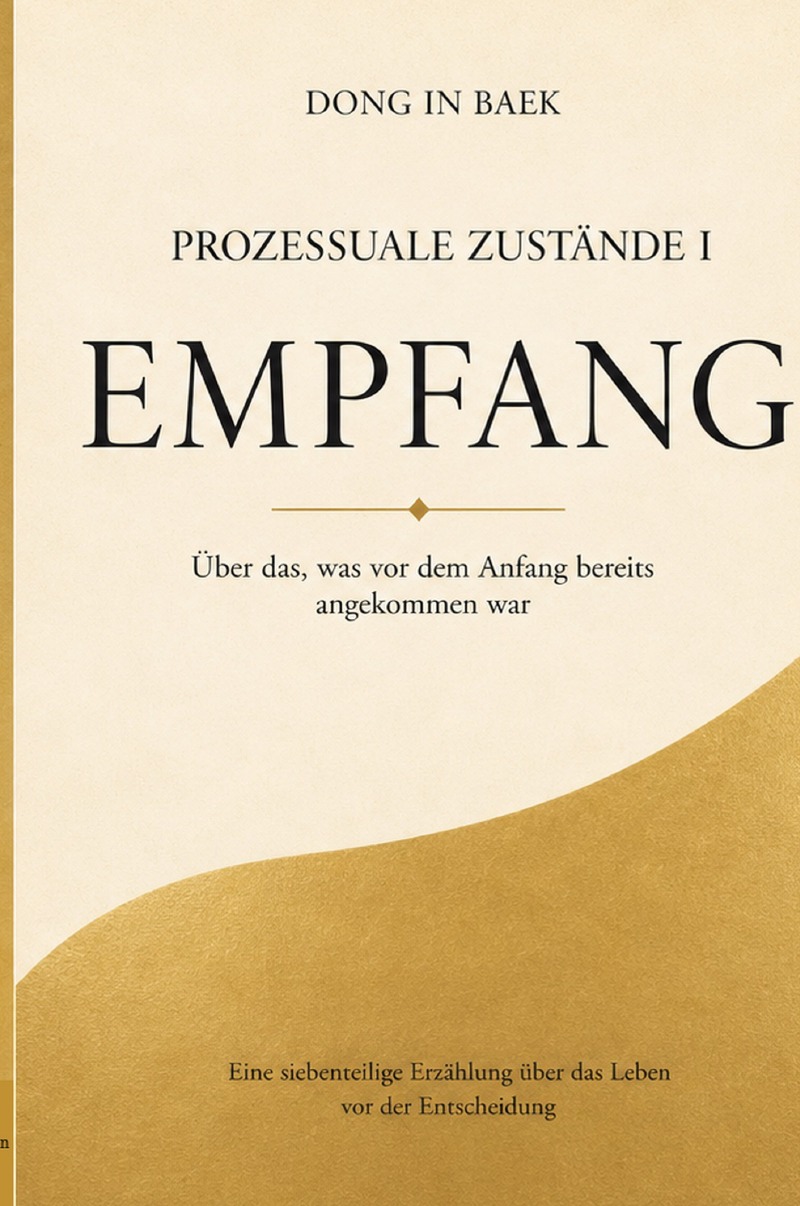
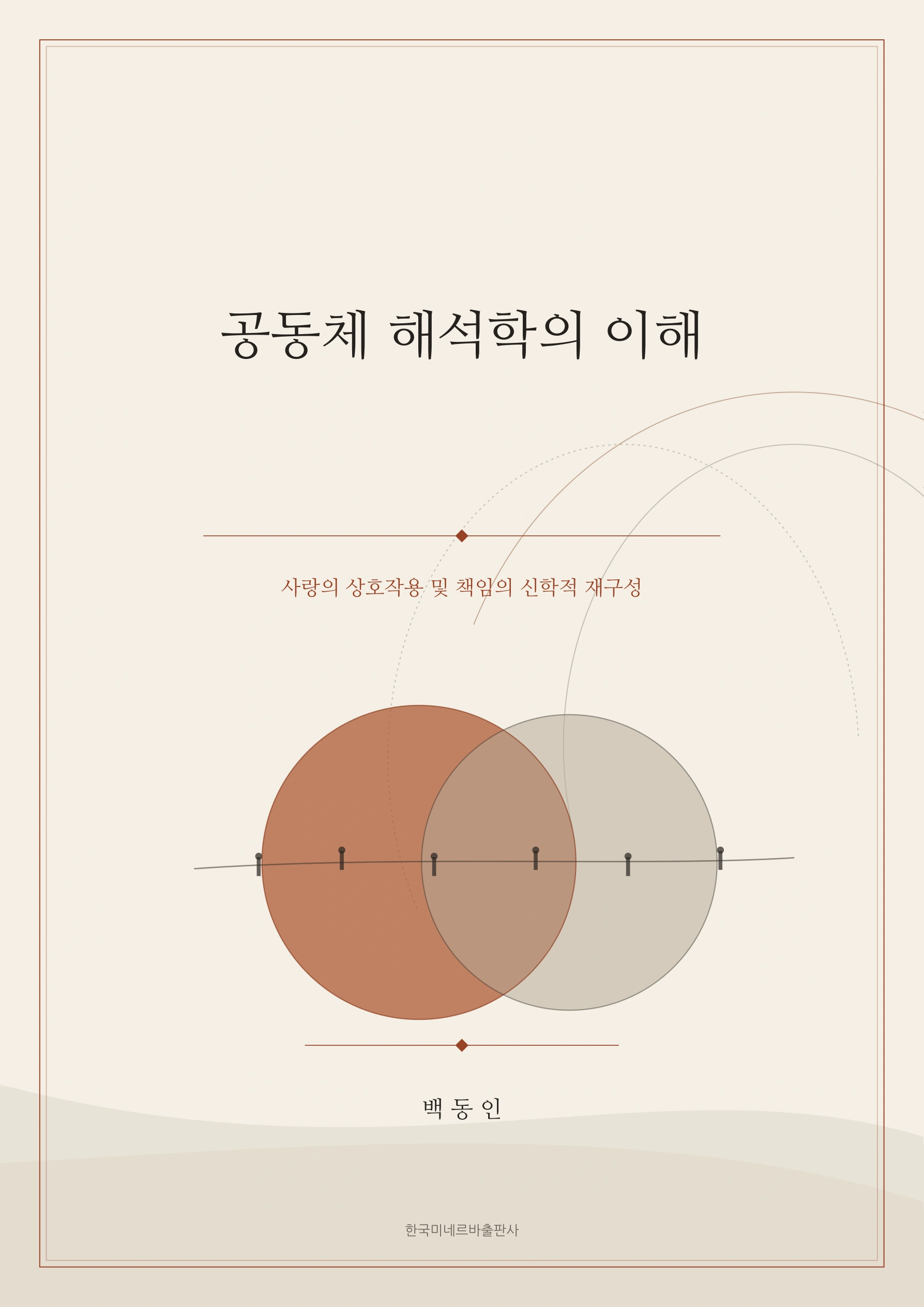
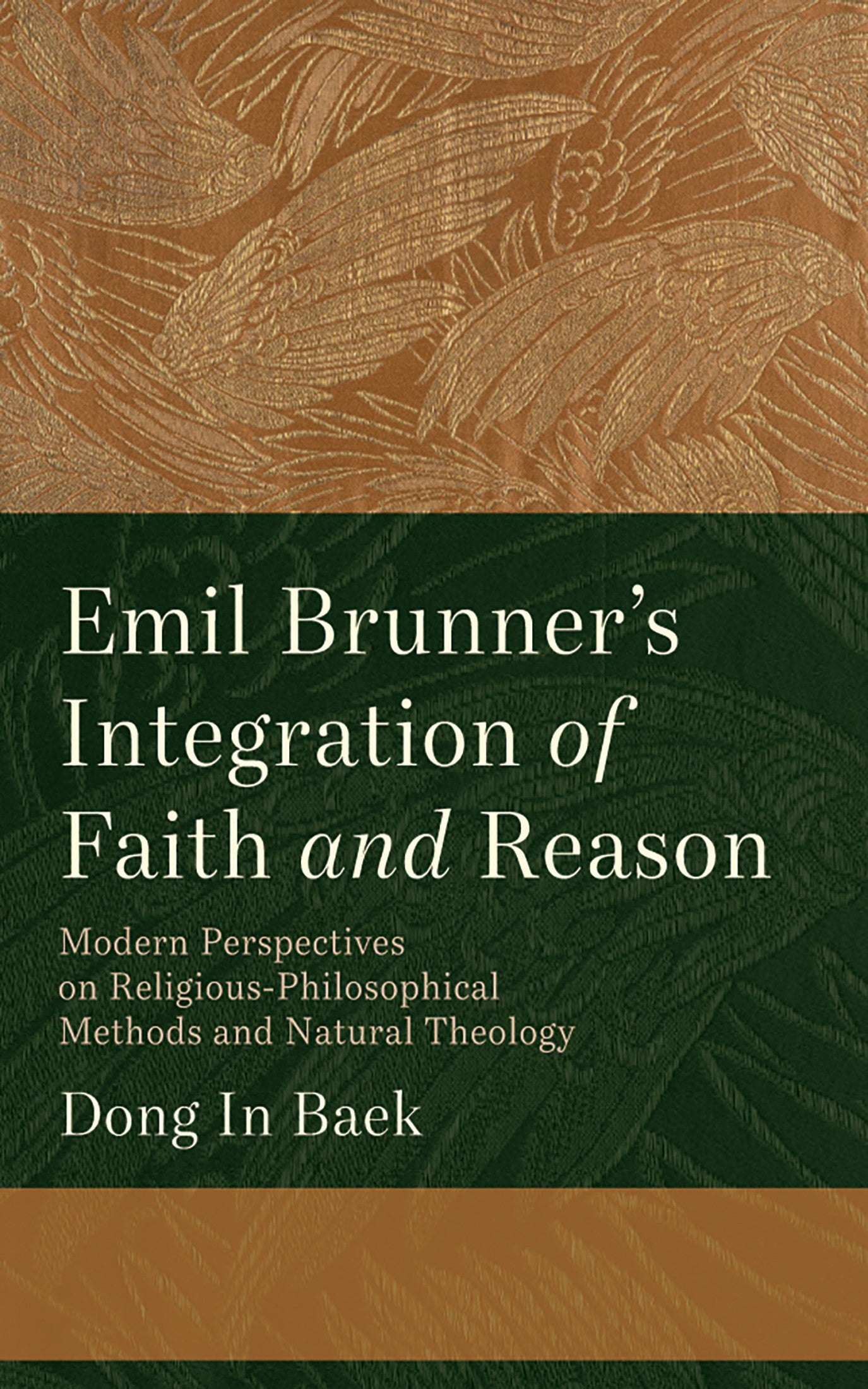
Dong-In Baek’s Brunner study on faith and reason, the investigation of time and history in Nature and Time, and the questions of love and responsibility in his work on communal hermeneutics offer concrete paths into this encounter. Continuity across the books does not mean repetition of one answer. It means following how a question changes as it meets new materials and circumstances.
Ricoeur’s work on time and narrative invites reflection on how the arrangement of events shapes understanding. Applied to publishing, a catalogue can reveal the movement of questions through a body of work. Such connections must still be identified as editorial interpretations. Narrator and author, published edition and revised manuscript, argument and book introduction remain distinguishable if the reading is to be both rich and responsible. [3], [4]
04 / KOREAN · GERMAN · ENGLISH
Translation changes the conditions of shared reading
Working in Korean, German and English involves more than presenting a promotional message three times. Languages differ in what they take for granted, which explanation must come first and which intellectual history a term recalls. Translation requires judgment about how readers may pass through those differences to approach a text’s question. Fluency and conceptual accuracy each require attention.
Benjamin’s essay The Task of the Translator offers a point of departure for thinking beyond translation as the transfer of information. The editorial questions developed here are practical: when should an original term accompany its translation, where does an explanation begin to alter an argument, and how can a work and its edition remain identifiable when its title appears in more than one language?
The three language versions therefore share bibliographical information and publication status while allowing the exposition to follow each language naturally. An explanatory translation of a title is distinguished from a translation actually published. No language version should make a stronger promise than another. As a question formulated in Korean enters international discussion, the particular place and history that gave rise to it should remain visible. [5]
05 / MEMORY AND A COMMON WORLD
Leaving room for experience not yet voiced
A community’s memory is shaped by its omissions as well as its preservations. Publishing can sustain an experience and also fix only certain experiences as representative. Good intentions and a moving story do not by themselves justify an interpretation. We must ask who has the authority to name, whether those described can object and when personal suffering is too quickly converted into a communal lesson.
Arendt’s reflections on plurality and action invite us to understand a common world through the presence of people who cannot simply replace one another. The editorial direction developed here therefore resists fitting another person’s experience wholly into a scheme. A structure that assists understanding should not treat the hesitation of testimony or the unfinished character of an event merely as defects.
Responsibility is not reserved for the moral conclusion of a philosophical, theological or literary discussion. It begins in the selection of material, in the preservation of a quotation’s context and in the expectations created by a title. An intellectually demanding book should help readers recognise more precisely the relationships still unexamined and the people to whom a response remains due. [6]
06 / OUTLOOK
Time for sustained thought amid rapid circulation
The future of books cannot be explained solely by a choice of file format. A deeper question concerns the grounds on which readers form judgments and the conditions under which they can sustain or revise them. Summaries and search tools can assist access, but they cannot assume responsibility for omitted reasoning and counterexamples. Endurance requires a form that remains open to examination when a reader returns.
Habermas’s renewed inquiry into digital media and deliberative politics provides one point of reference. The outlook proposed here focuses on concrete conditions of reading: identifiable editions, traceable sources, a distinction between publication and intention, and typography that remains readable on a small screen. As reading tools change, responsibility for a claim must remain identifiable.
Minerva Korea seeks publishing in which philosophical rigour, theological reflection and literary imagination enrich one another while revealing their limits. This outlook does not announce achievements in advance. It offers a standard to which future decisions can return: what should be preserved for prolonged examination, and how can a book leave room for its reader’s next question? [7]
The publishing principles are original formulations for this website. The sources identify their conceptual background; no direct quotations or unverified page references are supplied.